Pular para o conteúdo
אΩLingua Deo Gloria

Sobre o ministério

Línguas para a Igreja, para a glória de Deus

A Lingua Deo Gloria existe para servir à Igreja de Jesus Cristo. Aprender as línguas bíblicas é indispensável para uma interpretação correta da Palavra de Deus. O profundo amor pela glória de Deus e pelo avanço do evangelho de Cristo está no centro do nosso trabalho. Por isso, oferecemos cursos gratuitos de hebraico e grego, ensinados ao vivo e online, e produzimos recursos gratuitos em benefício da Igreja em todo o mundo.

O sentido do nosso nome

Nosso nome em latim tem dois sujeitos — Lingua e Gloria — ao contrário da famosa frase da Reforma, Soli Deo Gloria, que tem apenas um. Esses dois sujeitos são o foco central da nossa missão: ensinar línguas à Igreja, para a glória de Deus.

Como ensinamos, e por quê

Nossa filosofia de ensino

Por que as línguas bíblicas? As Escrituras, que contêm a Bíblia hebraica e o Novo Testamento grego, revelam a glória do Deus imortal. Não há outro caminho para conhecer a Deus numa relação que salva senão conhecê-lo por meio de Cristo Jesus, como aprendemos sobre ele nas Escrituras. Por isso, é indispensável que os cristãos continuem a estudar as línguas originais, para que a Igreja seja instruída nas incomparáveis riquezas de Cristo, conforme a intenção dos autores.

Como o estudo das línguas originais é, em última análise, uma porta de entrada para o estudo das Escrituras, levamos essa tarefa a sério. Ensinar hebraico e grego é importante — e, portanto, como ensinamos essas línguas também é, necessariamente, importante. Se essas línguas maravilhosas são ensinadas de maneira desnecessariamente difícil, o resultado é esgotamento, confusão e decepção. Como cristãos que valorizam honrar a Deus no nosso trabalho, aprendemos com o campo da Aquisição de Segunda Língua — em particular com a teoria do input compreensível — e com o poder das imagens e das histórias de trazer alegria aos alunos no processo de aprendizagem.

A equipe

As pessoas por trás do trabalho

Os professores e estudiosos que constroem e ensinam o currículo.

As biografias abaixo são exibidas em inglês.

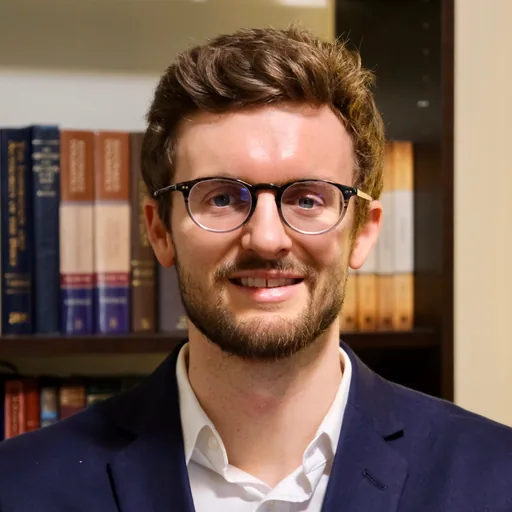
Sawyer D. Moranville

Sawyer D. Moranville

Founder

Sawyer was raised in Montana. He began studying Koine Greek, Classical Hebrew, and Classical Latin at Southern Seminary in Louisville, Kentucky, which eventually led to an M.Div. After graduating, he moved to Jerusalem with his wife to study more Hebrew (where their first child was also born). His studies in Israel led to a Master's degree in Classical Hebrew through the Institute for Biblical Languages and Translation (Whole Word Institute).

A mountain lover, husband, father, and Biblical Hebrew teacher, he now lives with his family in the greater Philadelphia area and serves as director of Youth Education at Graterford Bible Fellowship Church. When he is not working or spending time with his family and church, he is probably learning piano — or gardening, when the weather is good.
Benjamin Eisenberg

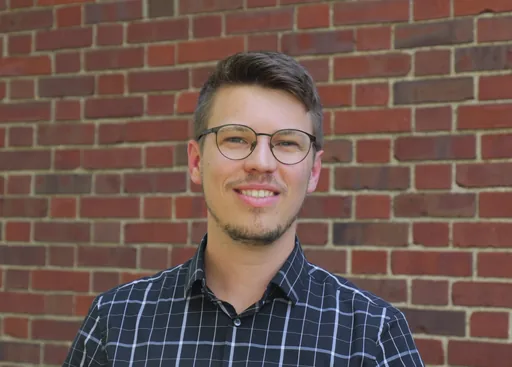
Benjamin Eisenberg

Biblical Hebrew instructor

Ben grew up in the United States and later moved to Israel, where he became fluent in Modern Hebrew. Intrigued by Biblical Hebrew, he studied Linguistics and Hebrew Language at the Hebrew University of Jerusalem (B.A. and M.A.). His M.A. thesis, A Cognitive and Construction Grammar Approach to the Biblical Hebrew Adjective: A Study in Prototypicality and Gradience, was prepared under the guidance of Dr. Adina Moshavi. At Hebrew University he was also a teaching assistant in Biblical Hebrew and taught a bibliographical guidance course. He spent nearly three years with Whole Word Institute (formerly the Institute for Biblical Languages and Translation), gaining hands-on experience teaching Biblical Hebrew through a communicative, immersive approach, and has worked with Biblingo and the Tsur Institute for Biblical Research in supporting roles.

Passionate about linguistics, second-language acquisition, and the Bible, Ben is committed to making the biblical languages engaging and accessible for modern learners globally. He is currently pursuing biblical and theological studies at Reformed Theological Seminary in Charlotte, North Carolina. In his free time he enjoys hiking, board games, and exploring new places with friends and family.

Scott McQuinn

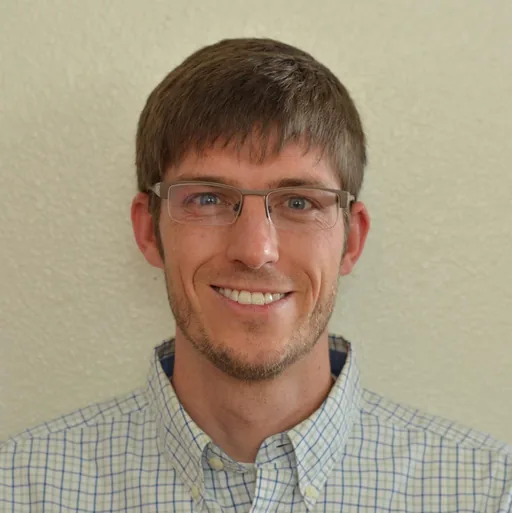
Scott McQuinn

Hebrew & Greek instructor

Scott is married to Vanessa McQuinn, and together they have eight children. He is passionate about equipping God's people to build the Kingdom of God on earth as it is in heaven, primarily through biblical language training. Scott began studying Hebrew and Greek in undergrad in 2005, but was first "awakened" to the Communicative Language Teaching (CLT) approach in seminary, when he and his wife attended Biblical Language Center's six-week Hebrew immersion course in Israel in 2011. He has been pursuing further training in this field — and every teaching opportunity he can find — ever since.

He holds a B.A. in Biblical Languages, an M.Div. in Biblical Exegesis, an M.A. in Ancient Language Acquisition, and a Th.M. in Old Testament/Septuagint. His M.A. thesis, Towards a Principled Communicative Methodology for Teaching the Biblical Languages, has helped many biblical language instructors teach more effectively. He has worked with BLC/Whole Word Institute since 2014 — teaching both Hebrew and Greek, helping develop their online Hebrew curriculum, and co-authoring (with Benjamin Kantor) their more recent Greek curriculum. He has also taught for multiple seminaries, universities, Bible translation organizations, and churches, including two trips overseas to train Bible translators. He is excited to bring his experience to Lingua Deo Gloria!

A melhor maneira de nos conhecer é aprender conosco.